

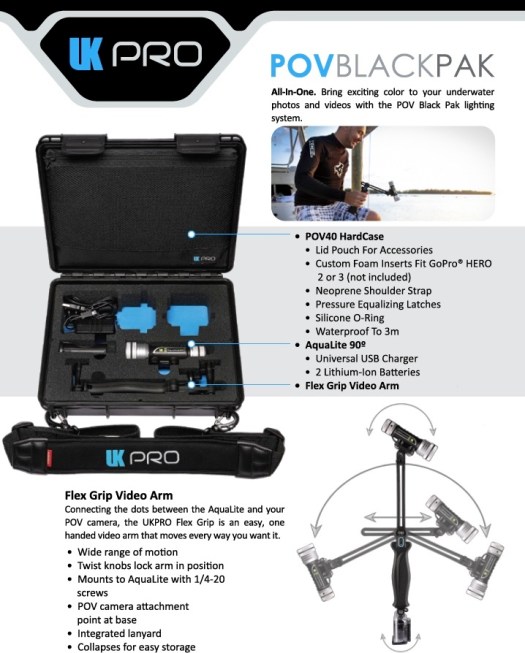
At DEMA 2012, UK Pro featured their new BlackPak POV. The BlackPak is a complete video solution for your GoPro Hero 2 or 3 camera system. The BlackPak includes the Aqualite 90 degree Video Light, shoulder strap, flexgrip arm, mount, charger, and more.
GoPro Cats!
As the time between now and Christmas ticks down towards zero there are still plenty of tough gifts to buy. If you have a weird Aunt Shirly or a kooky Uncle Todd we have an idea for you. As this GoPro commercial shows you, the GoPro HERO3 isn’t just for action sports. And while this may not be your Aunt Shirly’s GoPro, with the simple Mobile App setup and two button controls she can throw together a sick Cat edit!!
Enjoy!
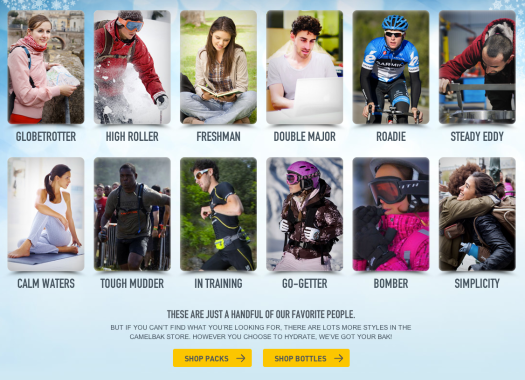
CamelBak Holiday Gift Guide
We’ve got the right hydration products for all the people on your list this year!

UK Pro Gear
Wherever life takes you, UK Pro Gear will keep your gear safe and protected. Whether you’re in the water, on the mountain, or on the trail, UK Pro Gear provides the ultimate protection and a perfect fit for your GoPro camera and accessories, gear, or other personal items.
Check out the GoPro Hero gear at UKProGear.com. We’ve got camera cases, camera poles, gearboxes and more. Learn more at: http://www.ukprogear.com/
X-Mas under $30: CamelBak Glass Eddy and Groove
Yesterday we had a review of the RockBox 11 from MARIE MALINOWSK over at examiner.com, today we have a few of her ‘X-Mas under $30’ favorites, you can check out the whole list here.
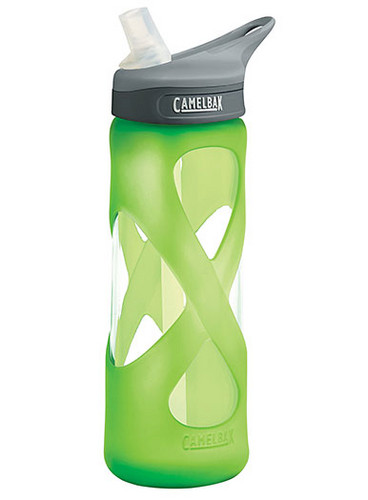
Camelbak eddy Glass ($25): The eddy Glass is an alternative to plastic, aluminum and stainless steel water bottle for taste-free water every time. A good stocking stuffer for the environmental- and health-conscious, yoga-lover on your list.
Camelbak Groove ($30): Sure, the eddy Glass is pretty, but the Groove is amazing. How many times have you stayed at a hotel and your only option for water was the bathroom sink? You know what I’m talking about. The Groove filters water as you sip and really does remove the manky flavor (and heaven only knows what else) from the hotel room tap. Also useful for hiking because it’s lightweight, even with the filter.
Yakima RocketBox 11 Review

Check out this review of the RocketBox 11 from examiner.com. BY: MARIE MALINOWSKI
Mountain biking, kayaking, backpacking and skiing bring the dilemma of where to stash the smelly, cheesy, wet gear when you get off the trail, river or slopes.
In the back of my squeaky-clean Subaru Outback? Nyet!
The Yakima RocketBox Pro 11 may look like car-top coffin but it has eleven cubic feet of waterproof storage capacity. The reason I went with the Pro 11 over the Pro 12 or Pro 14 is size. We needed something long enough to hold my husband’s 210cm cross-country skis (mine are just measly 180cm’s) and our kayak paddles.
However, the real value test came with how much the Rocketbox’s presence would affect gas mileage.
My Subie Outback consistently averages 27 MPG so a road trip was in order. Copper Harbor, situated on Michigan’s Upper Peninsula, is known for its world-class bike trails and sea kayaking on Lake Superior. That meant a load of gear needed to hauled 7.5 hours from Minneapolis and back.

Packing, for once, was actually less of a chore because we had extra room.
An Ibis Mojo and a Pivot 5.7 were attached to the hitch-mounted bike rack. Inside the Subie, we packed bike gear, a toolbox full of bike tools and supplies, a big ice chest and clothes for two people for five days. Upstairs, in the Rocketbox, were two sets of drysuits, PFDs, spray skirts and kayak paddles.
On that trip, the Subie represented.
It also averaged 27 MPG.
I checked my math a number of times because every calculation showed that the Rocketbox had no impact on the Subie’s gas mileage. I didn’t think that was possible. Yes, it’s aerodynamic, but it’s still a thing on the top of the car and the laws of physics state that any thing on the top of the car will create drag and cause gas mileage to plunge. Guess I’ll let the Mythbusters crew explain that one.
Anyway. Putting it on and taking it off is easy because it’s so light. I can do it myself with no problem. It fits perfectly on my factory-installed Subaru roof bars and does not interfere with opening the rear hatch once it’s on. So Yakima’s specs were spot on.
On the open road, it made noise, but it was only audible when the moonroof was open. It did not wobble, weeble or rattle. I had had apocalyptic visions of the Rocketbox popping open and stewing several thousand dollars worth of kayaking gear along the highway but that never came to fruition.
Its lean, sleek design holds an amazing amount of stuff. Even with all our kayaking gear in it, there was still room for a few more items. All this cargo capacity, and there is still room on the crossbars for a kayak or a bike. If I had Yakima crossbars that were wider, I could get an extra kayak or an extra bike on top.
Assembly. Oh, now there’s a subject oozing with controversy.
It is required and is mostly intuitive. I say mostly because I’m in the habit of winging it. I might consider the possibility of actually reading the directions after I realized I put it together backwards or inside out, but even that’s a long shot. It took me an entire weekend to piece the million littlepieces into a fully-functioning Rocketbox for the Copper Harbor trip. You could probably do it an hour.
I have one boo-hiss. It’s a pain to close and it’s not because I eschew assembly instructions. It has three latches on the inside of the box and they need to line-up perfectly with three catchers. If these don’t line up, you’ll never see your key again.
This isn’t a design flaw. I checked with Yakima on this. They fully intended for you to muscle and beat the lid down with a good smack to get it to close. The tight fit prevents leaking and the locking system is designed for security. You can’t remove the key until all three latches are secure. This minimizes the danger of your grundies being strewed along the highway.
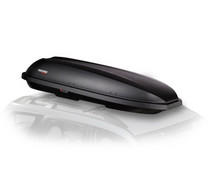 But, really, for the money, the Rocketbox at $359 is a smoking deal over Yakima’s pricier cargo boxes, which run as high as $689.
If my experience can demonstrate anything, it’s to be patient until you get the hang of it. Eventually. On the Copper Harbor trip, I was cussing and swearing when it came time to lock the box. Now I just emit the occasional grumble.
But what I do know is that you won’t regret buying this. I’m very pleased with the storage capability and that it doesn’t impact gas mileage. Bling it out with some stickers and it will look extra cool on the top of your car.
GoPro Frame
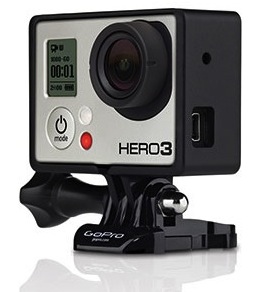
The Frame mount is the smallest, lightest way to mount your HERO3 camera. For use with the HERO 3 cameras only.
- Sleek frame design for low profile, compact mounting
- Lens cap protects camera lens
- Engineered for optimal sound at speed
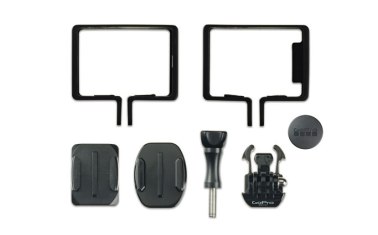
What’s Included:
- Standard Frame
- BacPac Frame
- Lens Cover
- Assorted Mounting Hardware
- 1 Flat Adhesive Mount
- 1 Curved Adhesive Mount
The Story of Bottled Water
Did you know that in the US we buy over half a billion disposable water bottles every week? That is enough to wrap around the globe 5 times.
It is easy to help stop that. Simply choose to refill.
Bring a re-usable water bottle, like a filtering CamelBak Groove, with you wherever you go. That way you don’t need to waste money on polluting disposable bottles. For more check out CamelBak and Water.org.

Garmont: Powder Gear Guide
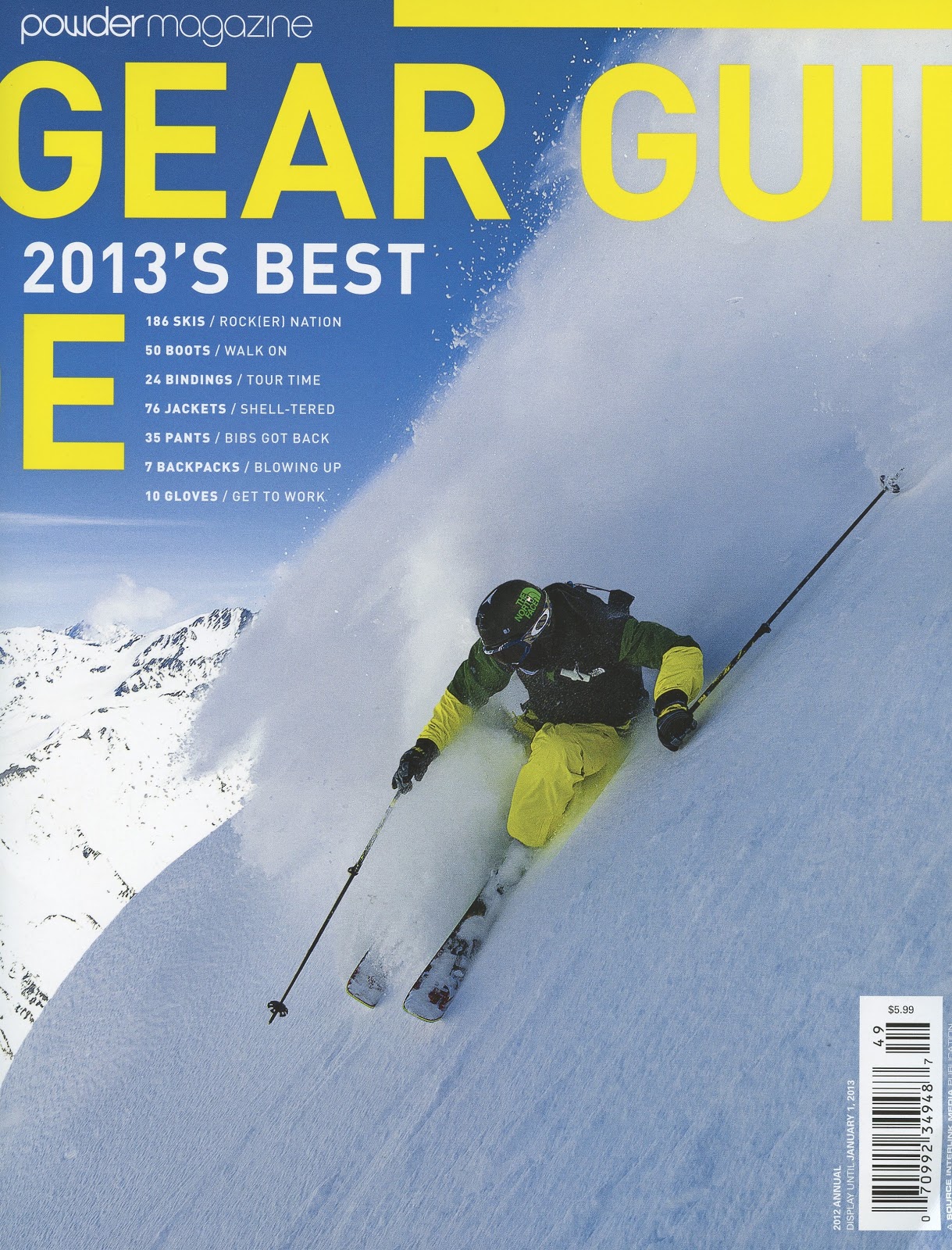
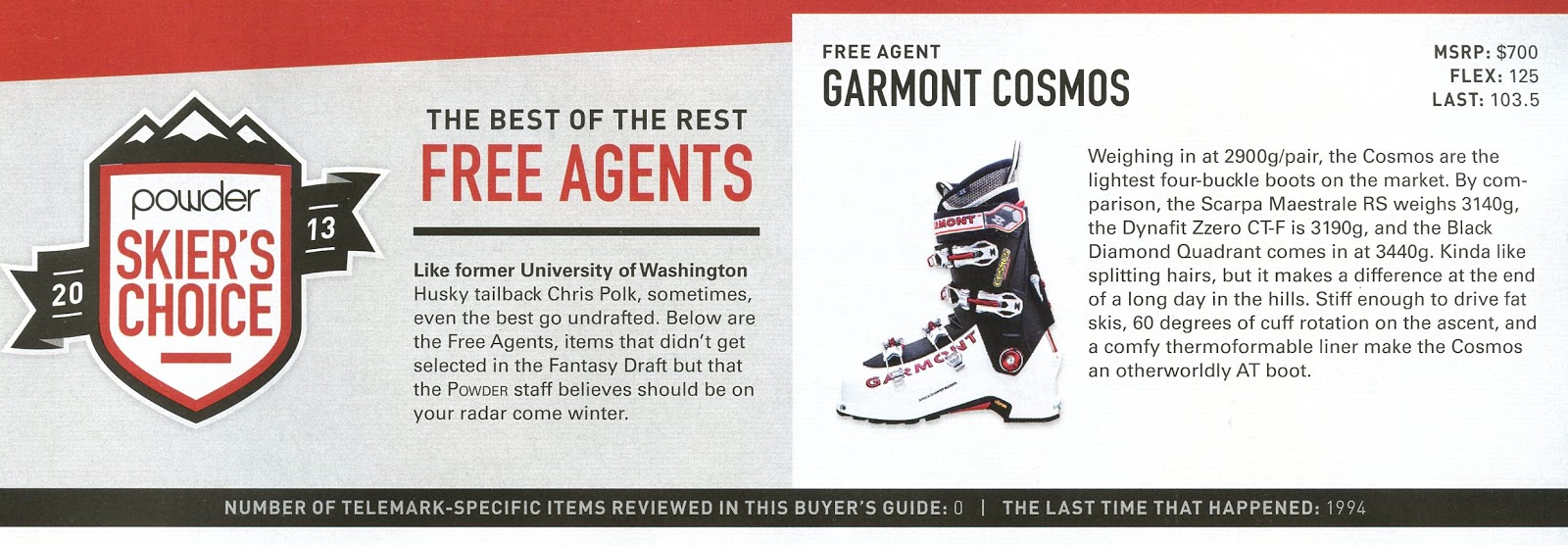
Like former University of Washington Husky tailback Chris Polk, sometimes, even the best go undrafted. Below are the Free Agents, items that didn’t get selected in the Fantasy Draft but that the POWDER staff believes should be on your radar come winter.
Weighing in at 2900g/pair, the Cosmos are the lightest four-buckle boots on the market. By comparison the Scarpa Maestrale RS weighs 3140g, the Dynafit Zzero CT-F is 3190g, and the black Diamond Quadrant comes in at 3440g. Kinda like splitting hairs, but it makes a difference at the end of a long day in the hills. Stiff enough to drive fat skis, 60 degrees of cuff rotation on the ascent, and a comfy thermoformable liner make the Cosmos an otherworldly AT boot.
Yakima’s Brianna Walle | You Gotta Train
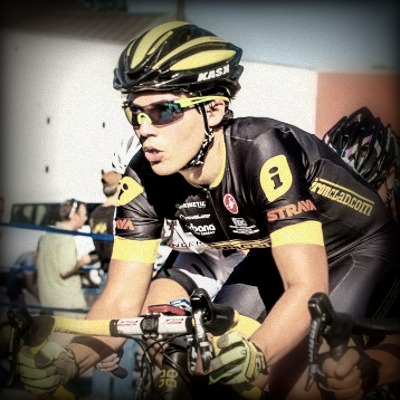
Getting good doesn’t just happen. Winning takes work. A whole lot of work.
Cyclist Brianna Walle, introduced here, has the skinny. Check it out.
What is your typical training schedule?
The road racing season runs February through August. At the peak of my training, I’m commuting to work 3-4 days a week and going for a long ride on the weekends. If I’m racing on the weekend, I reduce my miles in preparation for the event. The average miles range from 100-300 miles/week depending on the week and the event I’m training for.
Training in the wet, cold winter months in Oregon must be rough. How do you do it?
Great question! It can be really daunting to train in the cold and wet months. The secret? Take more friends! I usually ride with a group of friends once every two weeks for about 60-100 miles during this time of year.

We’re fully equipped with rain gear and good food and to keep it fun, and we often bring a bag with speakers and an iPod to blast our favorite tunes as we ride along.
Don’t worry, we take turns carrying the bag.
How do you train in the off-season?
September really is my “rest month.” That means two full weeks to totally chill out and hang out with friends I haven’t seen in MONTHS. There are parties, dancing, and other non-biking activities. In between I’m still commuting to work 3-4 days a week.
Once October hits, I’m out trail running, racing some cyclocross and mountain biking in southern Oregon. I’ll also throw in some weight training.
Come November, I begin three months of training for the next season!
 pacificrepworks.com
You must be logged in to post a comment.